
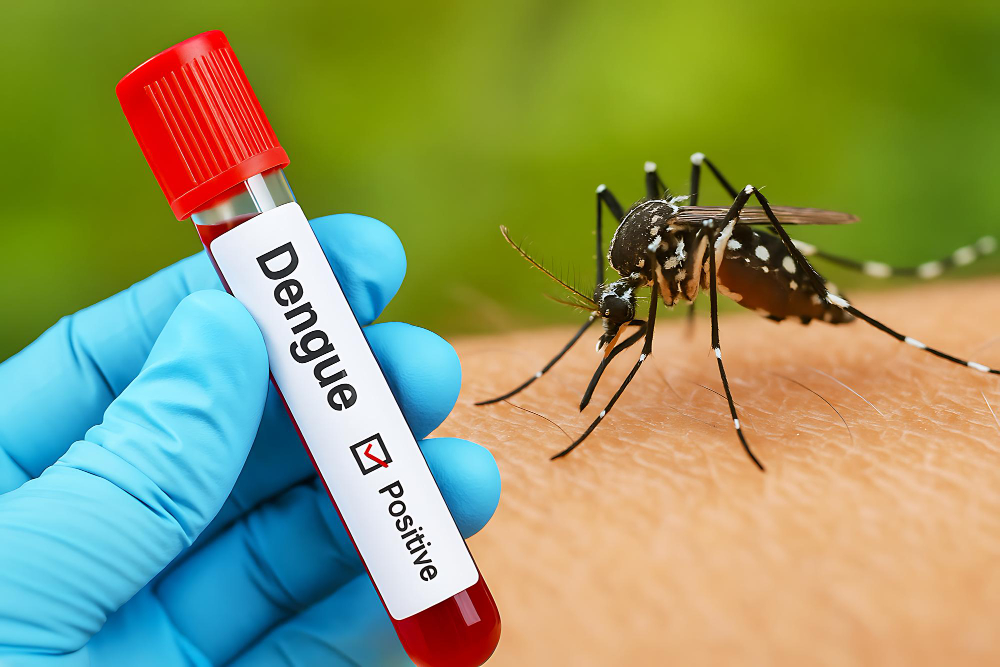
What is a Dengue Profile Test?
The Dengue Profile Test is a group of blood tests that help doctors check for dengue infection. Dengue is a viral illness spread by mosquitoes. Early testing can help with quick treatment. Usually, this test checks for dengue virus markers in your blood. It may include tests like NS1 antigen, IgM, and IgG antibodies. Because dengue can look like other illnesses, this test helps confirm if you have dengue.
Why is the Dengue Profile Test Important?
Getting a Dengue Profile Test is important for several reasons. First, it helps doctors know if you have dengue or another illness. Early detection can lead to better care. Also, the test helps prevent serious problems, like dehydration or bleeding. If you live in or visit areas with dengue outbreaks, testing is even more important. According to the World Health Organization (WHO), early diagnosis can save lives.
Symptoms That May Require a Dengue Profile Test
If you have certain symptoms, your doctor may suggest a Dengue Profile Test. Common signs include:
However, not everyone has all symptoms. If you feel unwell after a mosquito bite, it is wise to get checked. Early testing can help rule out other diseases too.
How is the Dengue Profile Test Performed?
The dengue profile test procedure is simple and safe. First, a healthcare worker takes a small blood sample from your arm. The sample goes to a lab for testing. Usually, you do not need to fast before the test. Results are often ready within a day or two. Because the test is quick, you can return to normal activities soon after. If you are worried about pain, the needle prick is mild and lasts only a moment.
Understanding Your Dengue Profile Test Results
When you get your dengue test results, your doctor will explain what they mean. Here is what you might see:
But, test accuracy can depend on when you get tested. Sometimes, you may need a repeat test if results are unclear. Always talk to your doctor for the best advice on your dengue test results meaning.
When Should You See a Doctor?
If you have symptoms like high fever, pain, or bleeding, see a doctor right away. Even if your symptoms are mild, early care is important. Sometimes, dengue can get worse quickly. If you live in an area with dengue cases, do not wait to get help. Your doctor can guide you on when to get dengue profile test and what steps to take next.
Prevention and Next Steps
While the Dengue Profile Test helps with diagnosis, prevention is key. Here are some tips to stay safe:
After your test, follow your doctor’s advice. Drink plenty of fluids and rest. If your symptoms get worse, return to your doctor quickly.
Frequently Asked Questions
If you have symptoms or concerns, consult a healthcare specialist for personalized advice.